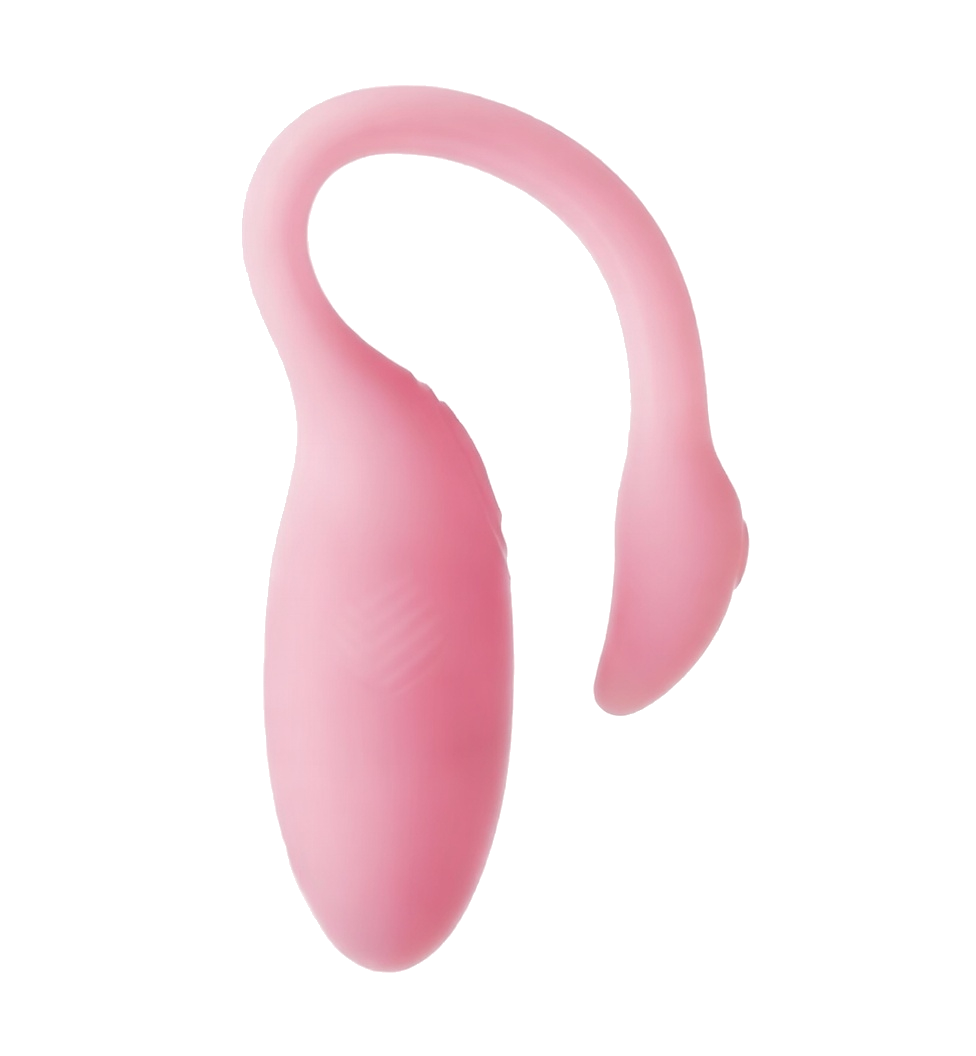
Kegel Training Principles
Kegel exercises were developed by Dr. Arnold Kegel in 1948 to strengthen the pelvic floor muscles—the group of muscles that form a "hammock" supporting the bladder, uterus, and rectum. When these muscles weaken due to aging, childbirth, surgery, or prolonged sedentary lifestyle, they can lead to urinary incontinence, pelvic organ prolapse, and reduced quality of life. Regular, correctly performed Kegel training has been clinically shown to improve muscle tone and function.
SMV10 provides real-time force feedback during training, allowing users to visualize their contraction strength and maintain proper form. The device accurately detects pelvic floor muscle contraction and relaxation, delivering science-based guidance that helps users master correct exertion, hold duration, and rhythm. This biofeedback loop is essential for effective training, as many users initially struggle to isolate and engage the correct muscle group.
Micro-Force Sensing Technology
SMV10 utilizes integrated force sensing technology to capture changes in muscle contraction during training. The system enables real-time feedback to assist users in maintaining correct contraction strength and rhythm.
The sensing architecture is designed for stable signal acquisition and noise control to support guided training experiences across different user levels.
Kegel Training Course System
SMV10 includes a structured five-level training course system designed for progressive skill development. Each course provides real-time force guidance, completion alerts, and periodic assessment reports to help users track progress and maintain motivation.
Basic Foundation (1–2 weeks)
Introduces correct muscle isolation and basic contraction-relaxation cycles. Establishes baseline strength and proper breathing coordination.
Strength Building (3–6 weeks)
Progressive overload with longer holds and more repetitions. Builds endurance and peak force capacity.
Quick Contraction Training
Focuses on fast-twitch muscle fibers with rapid squeeze-release cycles. Improves reflex response and coordination.
Advanced Coordination
Combines sustained holds with quick pulses and varied intensity. Develops fine motor control and functional strength.
Maintenance
Ongoing maintenance program to preserve gains. Flexible scheduling with periodic reassessment.
Technical Specifications
| Item | Specification |
|---|---|
| Wireless Connectivity | Bluetooth® |
| Core Technology | Micro-Force Sensing |
| Force Detection | Integrated Sensor System |
| Training System | Multi-Level Course Program |
| Data Output | Real-Time Force Feedback |